
What Are the 5 Steps of Fire Safety?
Fire safety is crucial for protecting your home, family, and workplace from the devastating effects of fires.
Every year, thousands of home fires occur, but many can be prevented or mitigated with proper knowledge and preparation.
Understanding the 5 steps of fire safety can significantly reduce risks and save lives.
These steps focus on a comprehensive approach: preventing fires from starting, detecting them early, responding effectively, and learning from incidents.
Below, we’ll break down each step with practical tips.
Step 1: Prevention – Stop Fires Before They Start
The foundation of fire safety is prevention. Most home fires are caused by cooking, heating equipment, electrical issues, smoking, or candles.
Key prevention tips:
- Never leave cooking unattended; stay in the kitchen when frying, grilling, or boiling.
- Keep flammable items (towels, curtains, paper) at least 3 feet away from heaters, stoves, and fireplaces.
- Inspect electrical cords for damage and avoid overloading outlets.
- Use smoking materials responsibly—never smoke in bed—and fully extinguish cigarettes.
- Store flammable liquids like gasoline outside in approved containers.
By identifying and eliminating hazards, you can prevent most fires.
Step 2: Detection – Install and Maintain Smoke Alarms
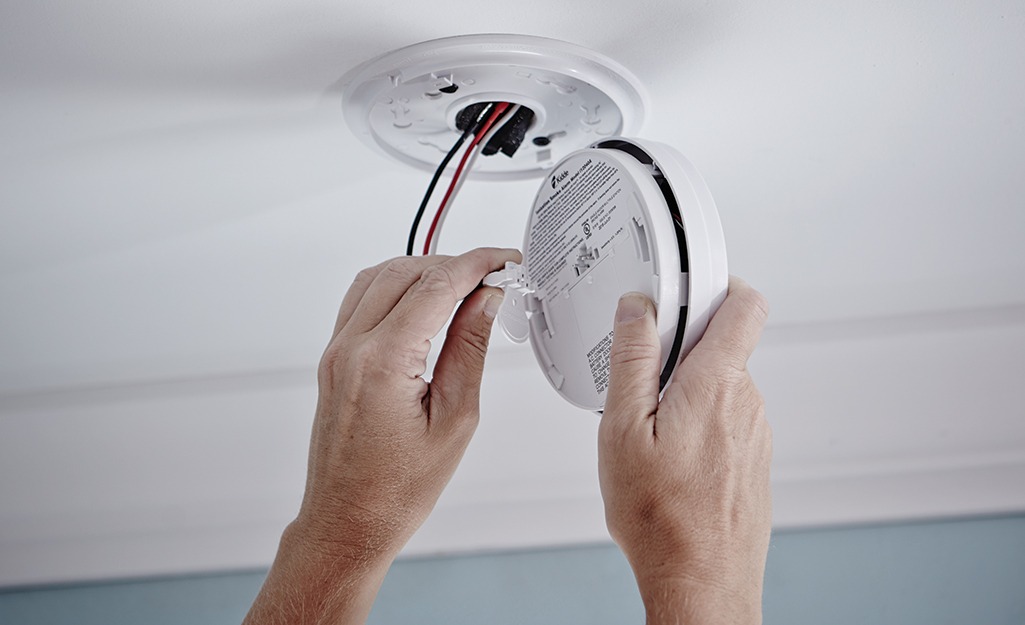
Early detection gives you precious minutes to escape. Smoke alarms are your first line of defense.
Essential actions:
- Install smoke alarms on every level of your home, inside bedrooms, and outside sleeping areas.
- Test alarms monthly and replace batteries at least once a year (or when they chirp).
- Replace entire units every 10 years.
- Consider interconnected alarms so when one sounds, they all do.
- For added protection, install carbon monoxide detectors.
Working smoke alarms cut the risk of dying in a home fire by half.
Step 3: Planning – Create and Practice an Escape Plan
You may have less than 2 minutes to escape a fire. A well-practiced plan is vital.
How to build your plan:
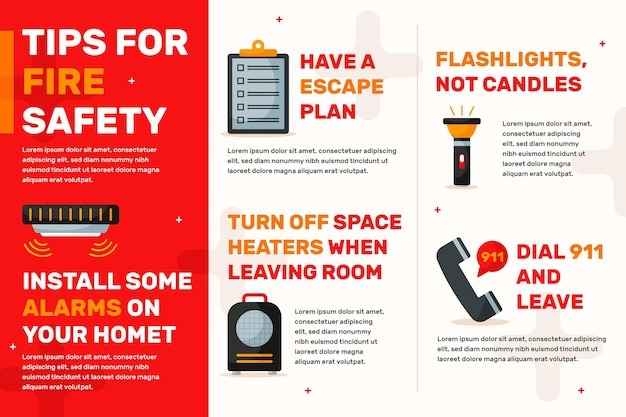
- Draw a floor plan showing two exits from every room (doors and windows).
- Choose a safe meeting spot outside, like a neighbor’s house or mailbox.
- Teach everyone to crawl low under smoke and feel doors for heat before opening.
- Practice “stop, drop, and roll” if clothes catch fire.
- Plan for children, elderly, pets, and those with disabilities.
- Practice drills twice a year, day and night.
Get out, stay out, and call 911 from outside.
Step 4: Suppression – Use Extinguishers and Know When to Fight
For small fires, proper tools can stop them from spreading.
Guidelines:
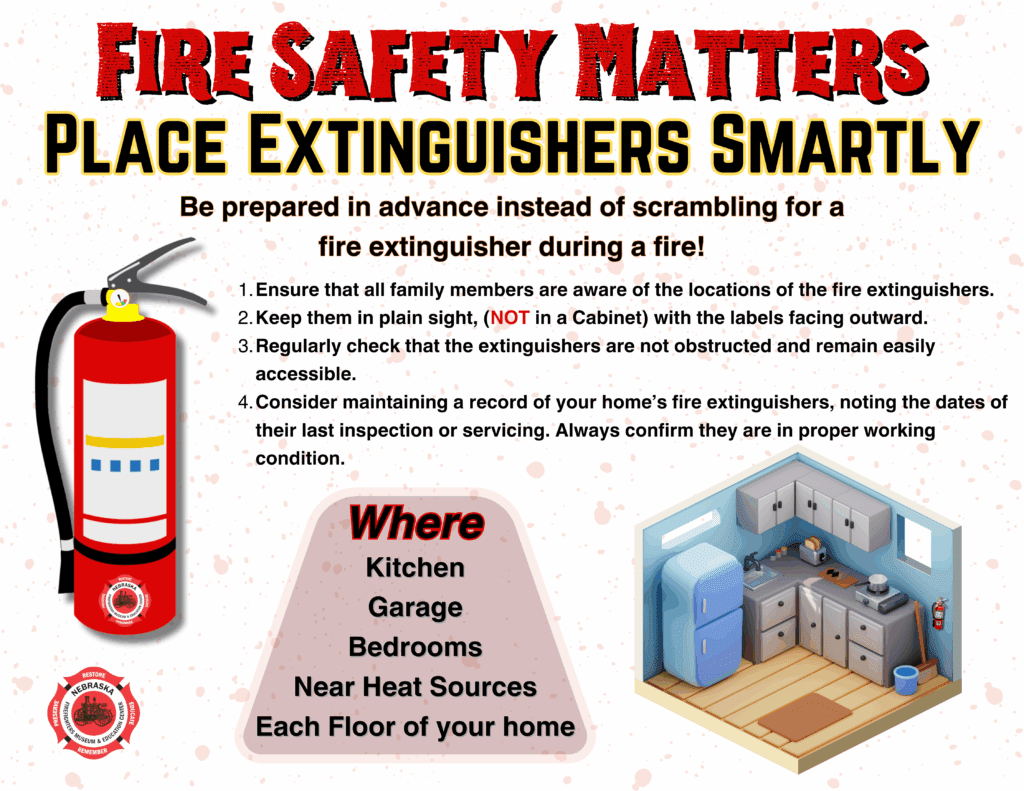
- Keep fire extinguishers in the kitchen, garage, and near fireplaces.
- Remember PASS: Pull the pin, Aim low, Squeeze the handle, Sweep side to side.
- Only fight small, contained fires if safe—otherwise, evacuate immediately.
- Consider home sprinklers for ultimate protection.
Always prioritize safety: If in doubt, get out.
Fire Prevention & Safety – Nebraska Firefighters Museum …
Step 5: Education and Review – Stay Informed and Updated
Fire safety is ongoing. Educate everyone and review regularly.
Best practices:
- Teach children about fire dangers and what to do in emergencies.
- Stay updated on fire risks (e.g., lithium-ion batteries in devices).
- Review your plan annually or after home changes.
- Learn from local fire department resources or campaigns like Fire Prevention Week.
A culture of awareness keeps everyone safer.
Final Thoughts on Fire Safety Steps
Following these 5 steps of fire safety, prevention, detection, planning, suppression, and education, can drastically lower your risk.
Start today: Check your smoke alarms, review your escape plan, and discuss safety with your family.
For more resources, visit sites like the National Fire Protection Association (NFPA) or your local fire department.
Stay safe!